
We are a group of passionate and diverse scientists, with an intense research investigation on the molecular mechanisms that regulate the behavior of oligodendrocyte lineage cells, which are the myelin-forming cells of the CNS and the main constituents of the brain white matter.
Myelinating glial function is fundamental for brain health and its impairment is detected in a growing number of psychiatric and neurological disorders. Studying the basic mechanisms regulating the progression of progenitors into myelinating oligodendrocytes in the developing and adult brain therefore has substantial implications for a better understanding of the mechanisms regulating proper brain function, while informing on potential causes for dysfunction, and providing the framework for the design of novel therapeutic strategies.
We are a neurobiology lab, working on concept of epigenetic regulation of oligodendrocyte progenitor differentiation. Throughout the years, we identified DNA and histone changes important for developmental myelination and in adult remyelination, identified the responsible enzymes and defined their functional significance using transgenic mice, characterized them in the context of neuropathology and evaluated translational implications. We also reported impaired epigenetic regulation of oligodendrocyte differentiation in aging, in animal models of depression and in post-mortem Multiple Sclerosis human brains. We collaborated with chemical engineers to develop compounds with the ability to reverse some of the epigenetic changes. We made unanticipated discoveries on the cross-talk between gut metabolites, social experiences, mechanical stimuli and myelination.

Currently we are interested in characterizing the molecular mechanisms and cellular pathways that allow diverse chemical, metabolic and physical stimuli to induce a biological response in progenitor cells. Which stimuli affect proliferation, drive differentiation into myelin-forming oligodendrocytes, or favor the persistence as undifferentiated progenitor in the adult brain. Our ultimate goal is to decipher the signals driving the differentiation of progenitors into myelinating glia, in order to inform on the design of regenerative strategies.
We use interdisciplinary approaches in cell biology, biophysics, advanced imaging spectroscopy, nanotechnology and super resolution microscopy and new transgenic lines, epigenomics, lipidomic and proteomic approaches to addresses key open questions in the field.
While the Casaccia’s laboratory is traditionally considered a Neurobiology lab, we have created a strong interdisciplinary and collaborative team, by partnering with other groups within the ASRC and with other Universities.
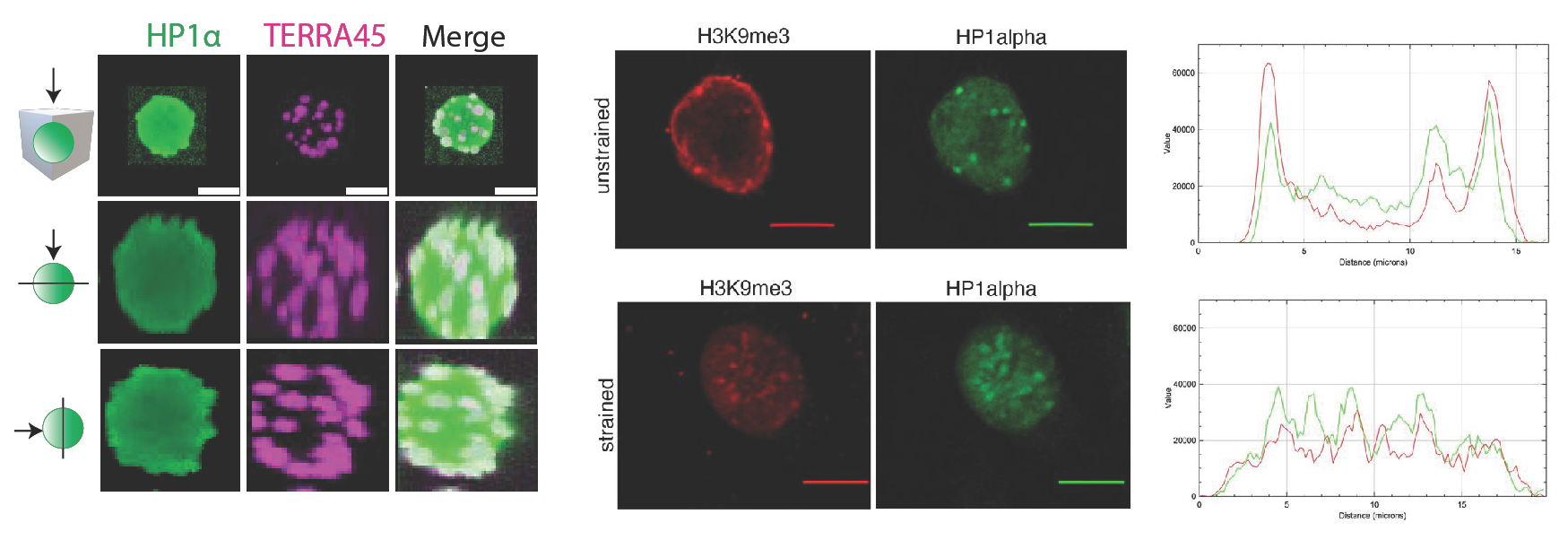
On a “smaller” scale, our ongoing collaboration with Dr. Shana Elbaum-Garfinkle (SBI) has led to important discoveries on chromatin phase separation, and is now continuing to elicit exciting new findings.
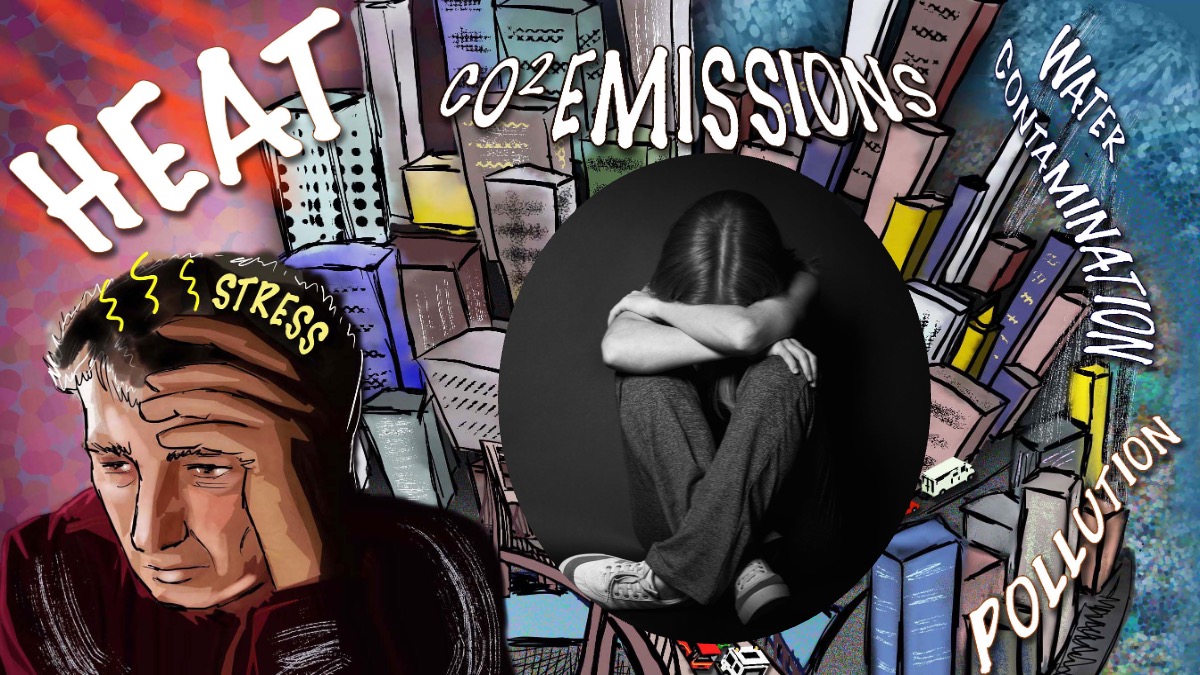
On a “larger” scale, our collaboration with faculty members in Environmental Science (ESI) and Clinical Psychology (Queens College, CCNY) has led to important studies on urban settings and the effect on behavior.
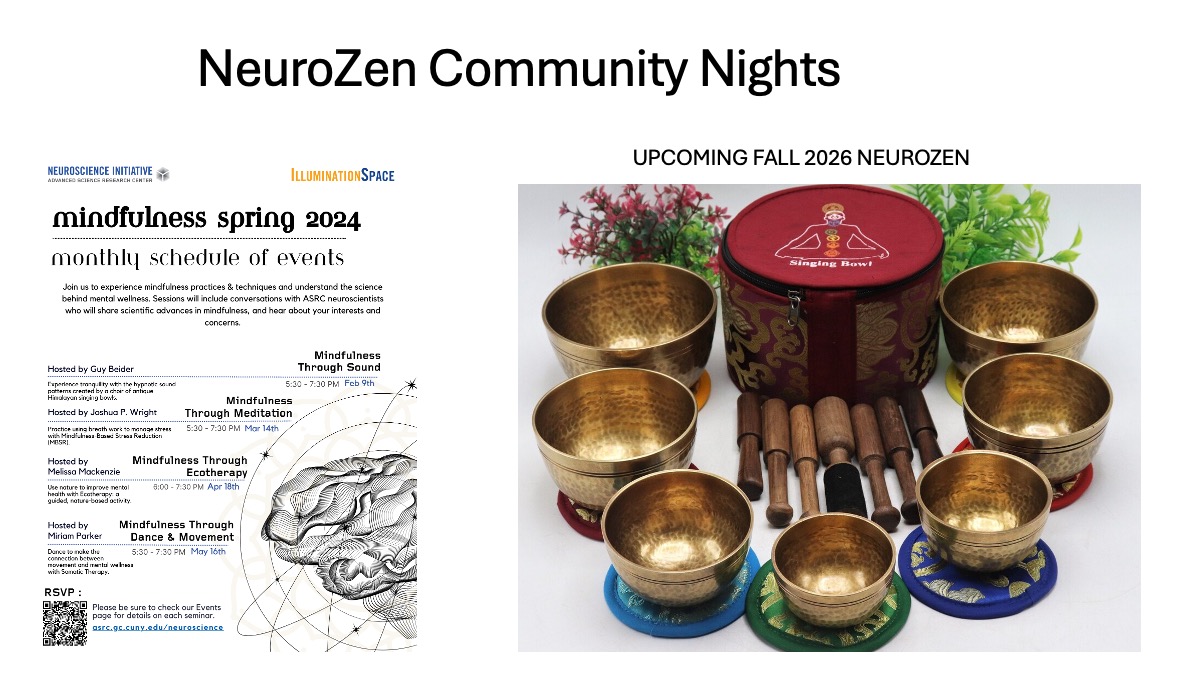
Finally, our partnership with the Illumination Space, has led to a series of community nights (NeuroZen) and several outreach events (Brain week) and the start of a dialogue on two-way science communication.