
Our lab is very interested in the study of oligodendrocyte lineage cells, which includes myelinating and non-myelinating oligodendrocytes and their progenitors, also called OPCs.
Myelin-forming oligodendrocytes and their precursors are the main components of white matter tracts in the brain and their function is clearly delineated by the developmental milestones of children during the first few years of life.
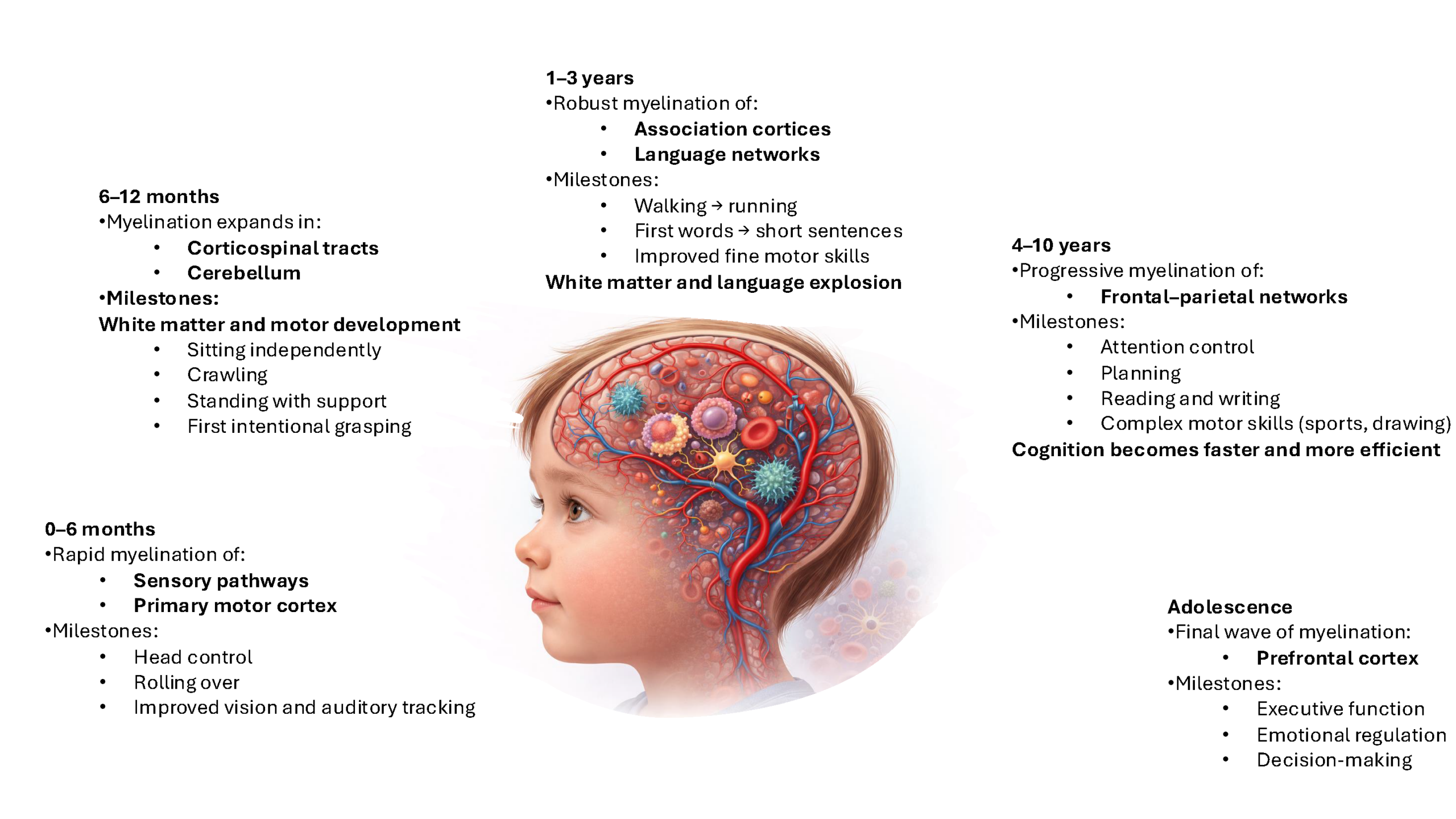
The importance of myelin in the developing brain is clearly shown by the fact that any potential cause of disruption of myelination, due to premature birth, ischemic or hypoxic events, genetic mutations, or maternal nutritional deficiencies or hormonal imbalances will result in clinical manifestations. Understanding the molecular basis of developmental myelination will contribute to further our knowledge of this important event for human development.
Molecular determinants of oligodendrocyte lineage cell behavior
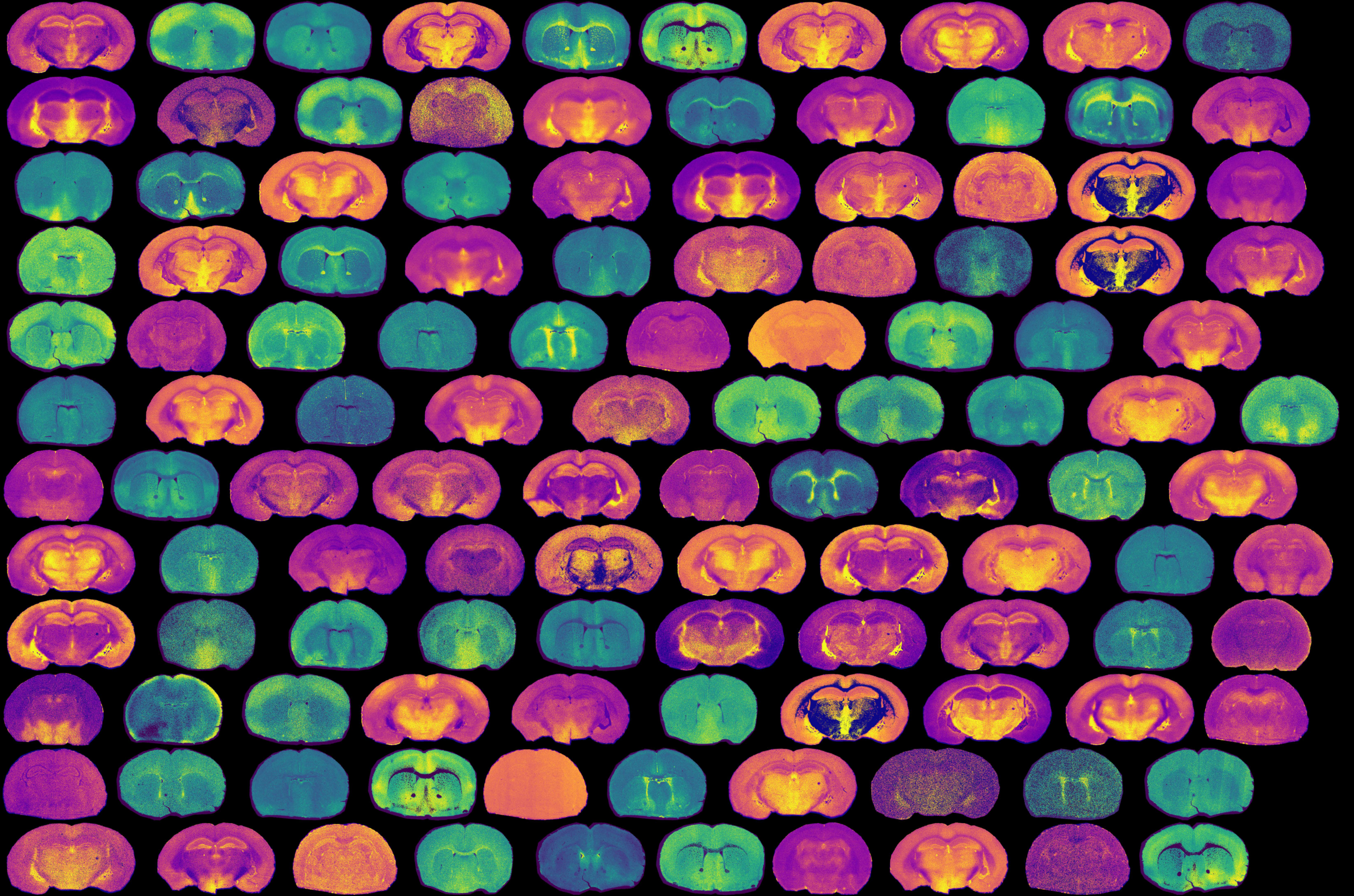
Our most recent work has started to investigate the role of metabolism in regulating the behavior of OPC. In a seminal paper in Nature Neuroscience 2026, using advanced MALDI-Imaging, we show that glucose bioavailability fluctuates in distinct brain regions of the developing brain. These temporal and regional fluctuations match the ability of OPCs to proliferate. Sami’s work shows that glucose-dependent citrate is responsible for the generation of acetylCoA , which are incorporated in specific lysine residues of the histone tails and drive the expression of proliferation-related genes.
These data support the importance of metabolism in regulating the behavior of Oligodendrocyte lineage cells.
A biophysical model of myelin assembly
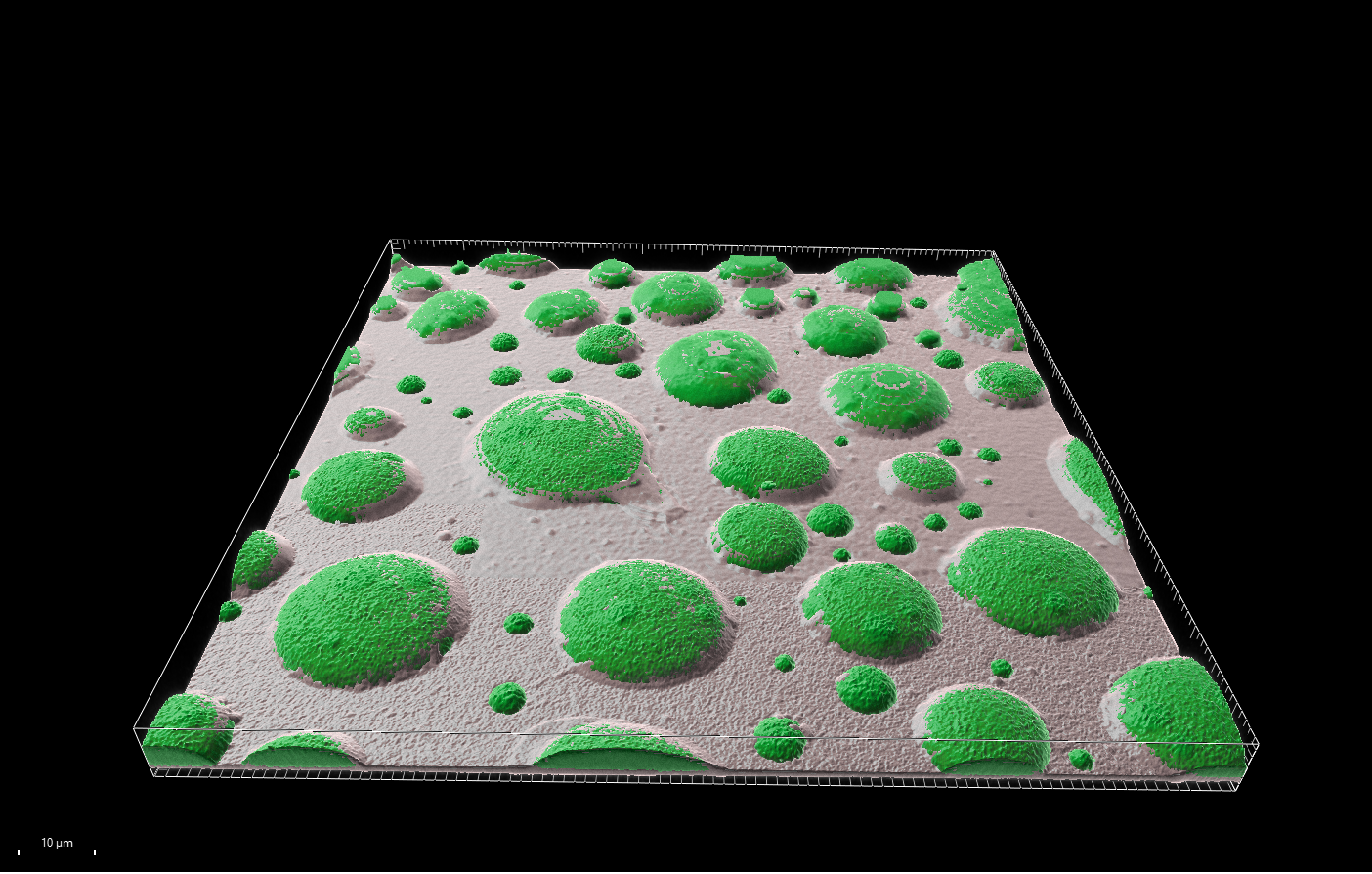
Neha’s thesis project focuses on a very puzzling questions in neurobiology, at the interface between neuroscience and biophysics “How does a major constituent of myelin, Myelin Basic Protein (MBP), drive the compaction of the myelin sheath”. Since MBP is an intrinsically disordered and phase-separating protein, with the co-mentorship of Dr. Elbaum-Garfinkle, Neha is testing the hypothesis that MBP phase separation organizes lipid membranes to bring the two apposing leaflets closer. She is combining in vitro biophysical assays, protein engineering, and cell-based studies to test this hypothesis.
The two faces of OPCs: their role in tumorigenesis
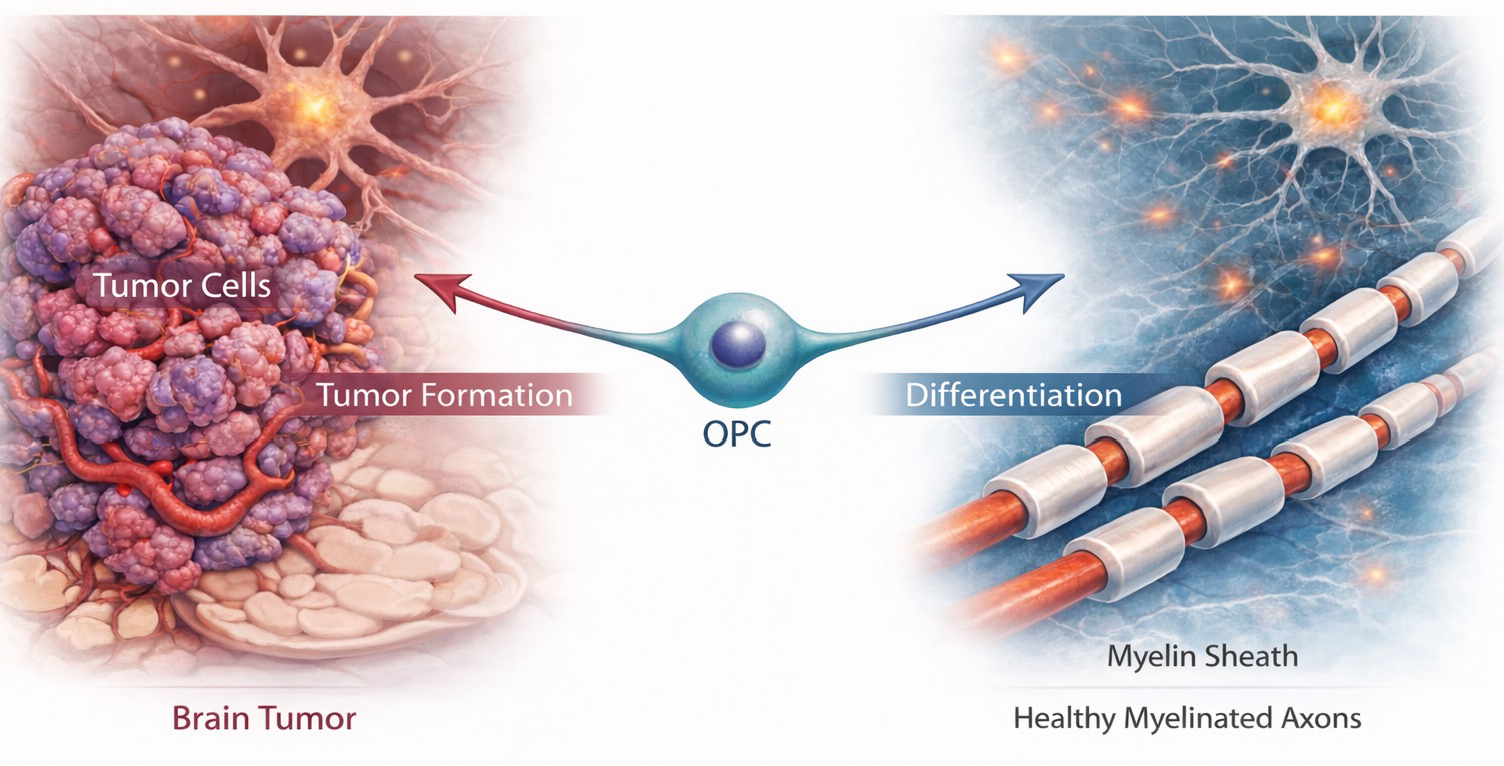
While OPCs are mostly studied, due to their ability to respond to synaptic inputs and shape memories and experiences, as well as their ability to form new myelin when needed, it is also important to consider that these highly proliferative cells in the brain can also be responsible for the formation of glial tumors, called glioma. Dennis’ thesis addressed this question, by asking how gene deletions or amplifications affect the transcriptome and the behavior of OPCs.